
Ever noticed how “only 3 left in stock” makes you reach for your card faster? Or how seeing friends share their Spotify Wrapped results makes you want to check yours immediately? That’s FOMO at work – and it’s one of the most powerful tools in a marketer’s toolkit.
What exactly is FOMO in marketing?
FOMO – the fear of missing out – is the anxious feeling that others might be enjoying something you’re not. In marketing terms, it’s the psychological trigger that transforms “I’ll think about it” into “I need this now”.
The concept taps into three fundamental human behaviours:
- Loss aversion – We’re more motivated to avoid losing something than to gain something new.
- Social comparison – We instinctively track what others have to ensure we’re not falling behind.
- Temporal pressure – Deadlines reduce overthinking and prompt faster decisions.
When these forces combine, customers act more quickly, they value offers more highly, and they pay closer attention to what others are doing.
Six ways FOMO shapes marketing strategy
1. Creating urgency through time limits
Limited-time offers push customers to act now rather than later. Countdown timers, flash sales and “ends at midnight” messaging all work by closing the decision window.
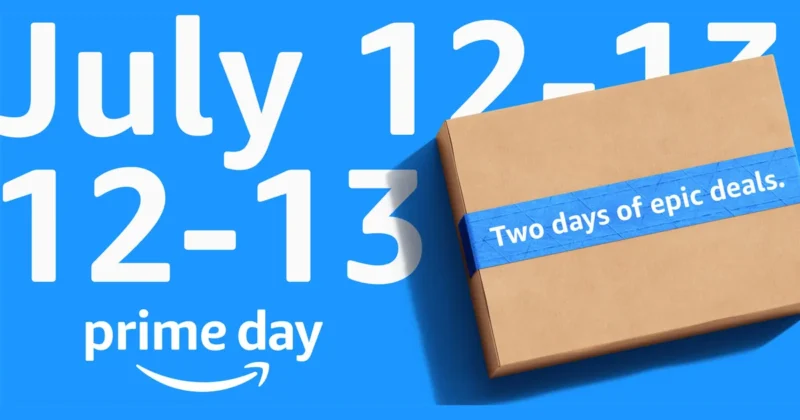
Amazon’s Prime Day offers a masterclass in this approach – combining countdown timers, “X% claimed” progress bars, and one-day exclusivity to drive millions of purchases in a compressed timeframe.
2. Increasing perceived value through scarcity
People tend to value things more when they appear rare or limited. “Only 3 left”, “low stock”, or “selling fast” notifications all increase the perceived worth of a product.
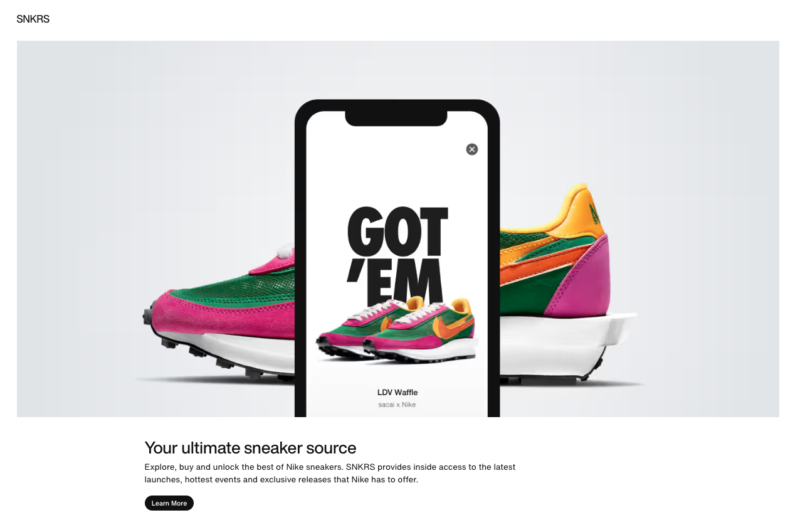
Nike’s SNKRS app has built an entire business model around this principle. Their “Draws” (lotteries) and “Limited Access” events create genuine scarcity, with products often selling out within minutes of release.
3. Leveraging social proof
When we see others participating in something, we worry about being left behind. This is why showing how many people have bought, viewed or joined something reduces uncertainty and triggers action.
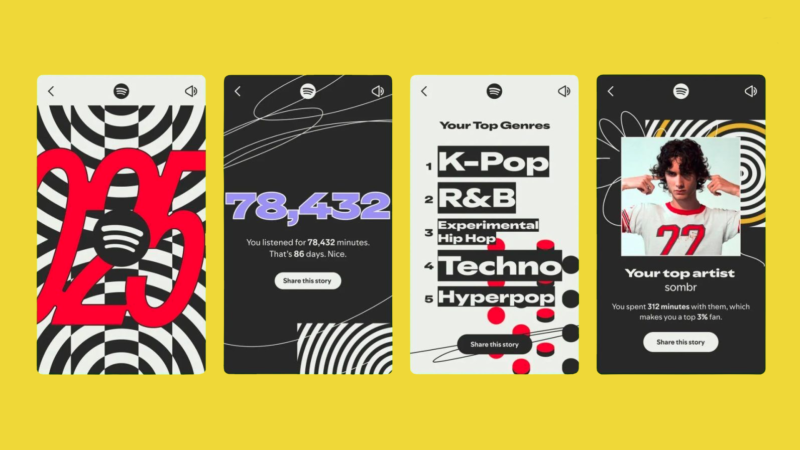
Spotify Wrapped is perhaps the most visible example of social-proof FOMO. Each December, users share their personalised listening stats across social media. If you’re not part of the conversation, you feel it – and that drives engagement with the platform.
4. Offering exclusive access
Early-bird pricing, VIP lists, and members-only drops make people feel they’ll miss out on something special if they don’t act.
Corteiz, the London-based streetwear brand, has built a fiercely loyal following through surprise drops and genuinely limited stock. The fear of missing a release has become part of the brand’s identity.
It’s interesting that Corteiz doesn’t have a traditional website. They operate primarily through social media and surprise announcements, which is actually part of their FOMO strategy. While they have a web address it is drop-based rather than always open, often password-gated, used primarily for product releases and closely tied to social media announcements. Clever stuff. Click the link to it here – who knows what will be there.

5. Building community and belonging
Brands can position participation as part of an identity. VIP memberships, early-access clubs, and loyalty programmes work partly because customers want to avoid feeling excluded from insider benefits or conversations.
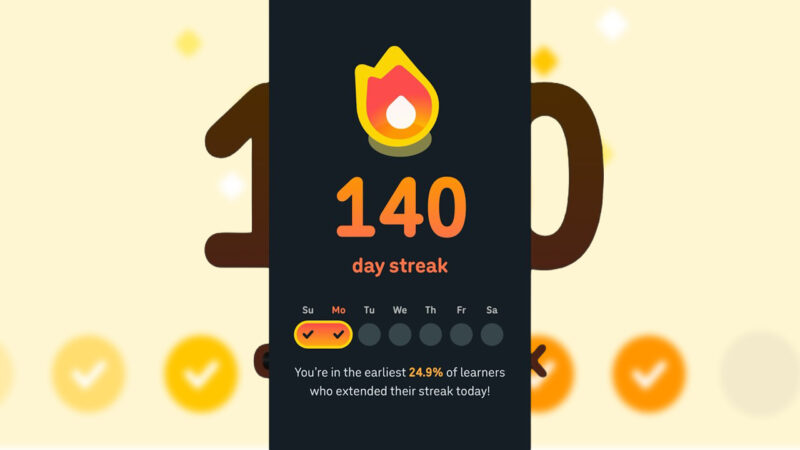
Duolingo’s streak feature is a clever example. Users fear losing their streak or falling behind friends, which drives daily engagement. The company openly shares that streak animations increased 7-day retention for new users.
6. Creating temporary content
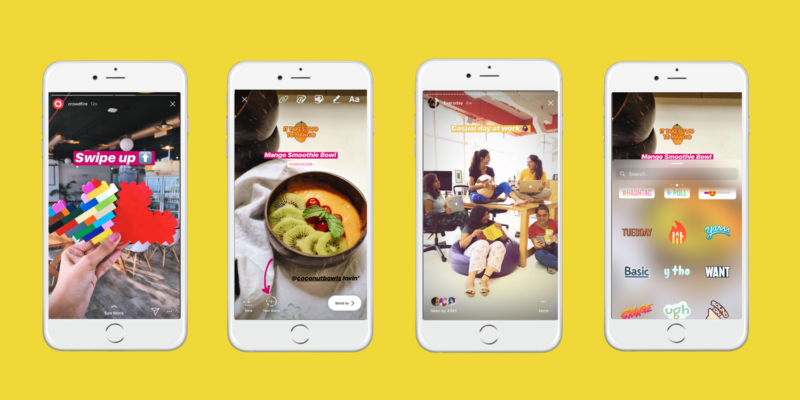
Features like Instagram Stories – where posts vanish after 24 hours – create urgency and encourage frequent checking. Brands use countdown stickers and live announcements to amplify this effect.
Instagram for Business actively encourages brands to use these temporary formats to drive engagement.
The golden rule: FOMO works best when it’s genuine
Here’s where many businesses get it wrong. Artificial scarcity or manipulative urgency damages trust over time. If every offer is “ending soon”, customers eventually stop believing it.
The most effective FOMO strategies are:
- Authentic: based on real constraints.
- Transparent: honest about what’s limited and why.
- Consistent: aligned with your brand values.
- Sustainable: used strategically, not constantly.
Starbucks’ seasonal drinks demonstrate this well. The Pumpkin Spice Latte genuinely is only available for a limited time each year, creating annual anticipation and social sharing without any sense of manipulation.
Where does FOMO fit in your marketing?
FOMO is most effective when it supports – rather than replaces – a strong value proposition. It works particularly well for:
- Product launches
- Email marketing campaigns
- E-commerce conversion funnels
- Event promotion
- Community-driven brands
- Seasonal campaigns and clearance cycles.
The key is balance. Use genuine scarcity, real deadlines and meaningful exclusivity rather than artificial pressure.
Making FOMO work for your business
Whether you’re launching a new product, promoting an event, or simply trying to accelerate your sales cycle, FOMO can be a powerful addition to your marketing strategy – when used thoughtfully.
The brands that do this best understand a simple truth: the goal isn’t to trick customers into buying. It’s to communicate genuine value and real constraints in a way that motivates action. The real trick is coming up with the ideas – which can need a fresh pair of eyes. Curious about how FOMO and other psychological principles could strengthen your marketing? At Oxygen, we’ve spent over 20 years helping B2B and B2C businesses craft campaigns that drive real results.
Get in touch to explore how we can help.